1. Scout the location
Look for public access, known prospecting areas, and signs that spring runoff has reshaped gravel bars, inside bends, and exposed seams.
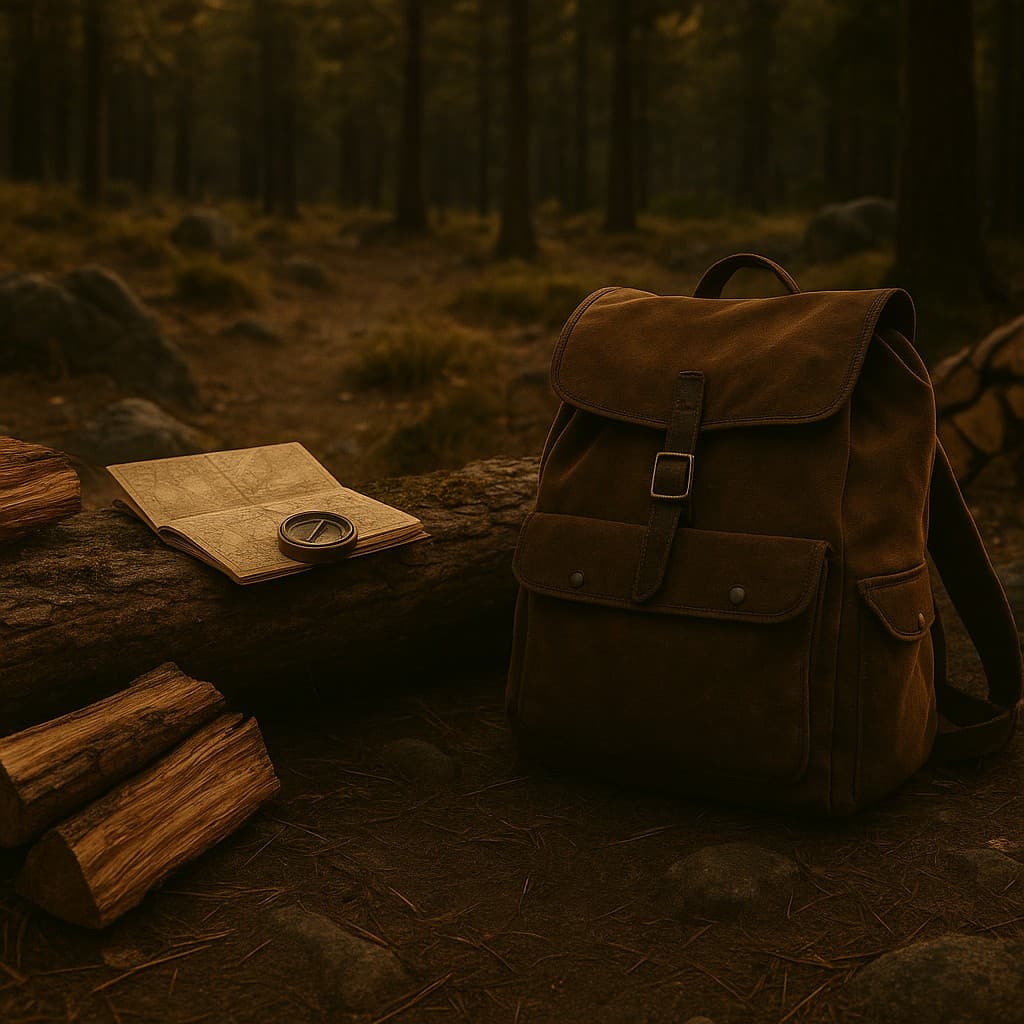
Start with the checklist, field notes, and tool picks that keep your first spring season focused.
Spring runoff moves gold. This starter pack shows you where to begin, what to bring, and how to stay efficient in Montana terrain. Built for first-season prospectors who want results - not guesswork.
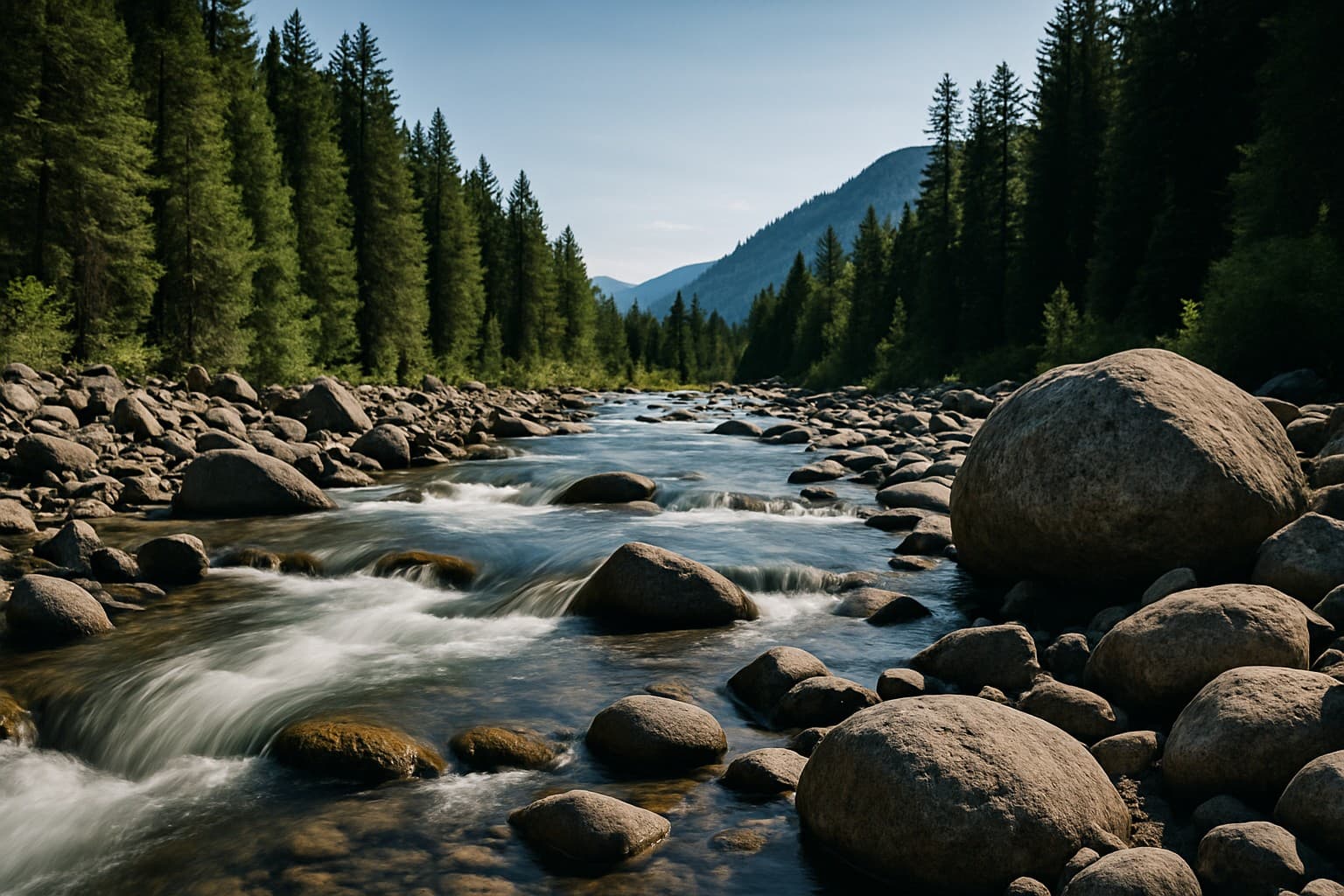
Before you hit the creek, get your basics in order. A simple, disciplined start saves time, cuts wasted trips, and keeps your first pans focused on learning the ground.
Look for public access, known prospecting areas, and signs that spring runoff has reshaped gravel bars, inside bends, and exposed seams.
High, fast water can waste a trip or create bad footing. Spring is productive, but runoff changes creek behavior fast.
Bring the basics first: pan, classifier, shovel, snuffer, bucket, gloves, and boots. Keep your first setup simple.
Cold water, slick rock, unstable banks, and changing weather matter more than people think. Stay warm, dry, and deliberate.
Don't spend an hour guessing. Test quickly, read the material, and adjust before committing to one spot.
First season rule: start light, test fast, and learn what the creek is telling you before you carry in more gear.
Montana creeks change fast in spring. Snowmelt, runoff, and cold water can reset access, move material, and expose new ground overnight. Read the creek before you commit your time and energy.
Field Note 1
High water shifts gravel, cuts new channels, and changes where heavies settle. A spot that looked dead last season can wake up after runoff.
Field Note 2
Watch inside bends, softer seams, tailouts, and breaks behind larger rocks. Gold usually gives itself away where water loses strength.
Field Note 3
Freshly opened bars and stripped banks can reveal material that was buried before. Don't assume a clean surface means empty ground.
Field Note 4
A fast test pan tells you more than blind digging. Read black sand, heavies, and consistency before you decide to stay put.
Field Note 5
What was easy in summer may be muddy, flooded, blocked, or unstable now. Build the habit of checking approach, footing, and exit before hauling gear in.
Montana spring rule: the creek changes first. Your plan changes second.
You do not need a truckload of gear to start learning. A simple, reliable kit gets you on the creek faster and teaches you more than overbuying too early.
Your pan is still the most important tool in the kit. It teaches material behavior, helps you test fast, and shows whether a spot deserves more effort.
A classifier helps you remove larger material and keeps your pans more consistent. That means less wasted motion and cleaner reads on each test.
You need a compact digging tool that can move gravel without becoming dead weight. Keep it simple and field-practical.
Once you start finding fines, you need a clean way to recover them without fumbling them back into the pan or the creek.
A basic bucket helps carry classified material, tools, and water-side essentials. It is not glamorous, but it earns its place immediately.
Cold water and slick footing are part of spring prospecting in Montana. Staying dry, steady, and functional matters more than looking tough.
Starter rule: buy the tools that help you test ground efficiently before you spend money on extras.
Most first-season mistakes do not come from lack of grit. They come from scattered decisions, bad assumptions, and carrying too much confidence into the wrong ground.
More gear does not automatically mean better prospecting. If you cannot read the water and test cleanly, extra weight just slows you down.
New prospectors often commit too early to one spot. A few disciplined test pans will usually tell you more than blind digging.
Cold runoff, slick rock, and changing flow can shut down a good plan fast. Conditions matter as much as location.
A focused starter setup beats a pile of cheap extras. Learn what earns its place before expanding your kit.
Walking farther, digging harder, and hauling more material can feel productive. That does not mean the ground is paying you back.
Better first-season rhythm: travel lighter, read faster, test sooner, and let the creek tell you where to stay.
This pack is built for people who want a clean start, not a confusing one. It is meant to narrow your focus, simplify your first season, and help you learn the right habits early.
You want to get on the creek with a simple plan, realistic expectations, and enough structure to avoid wasting your first trips.
You do not want to overbuy. You want the core tools that help you test ground, stay mobile, and learn what matters first.
You are starting during runoff season and want a better feel for how changing water, access, and fresh gravel affect your decisions.
You do not need ten conflicting forum opinions and a pile of random tool recommendations. You need a focused starting point.
You are willing to test first, observe more, and build skill over time instead of chasing instant results.
Not built for: people looking for hype, oversized gear lists, or shortcuts that replace creek reading and field time.
Everything you need to start without overthinking it.
Start small. Learn fast. Adjust.
Print it, save it, or keep it on your phone before your next creek trip. This checklist gives you a simple field-ready starting point without overloading your pack or your plan.
Start with the checklist, pack light, and let the creek guide your decisions.